Bulky waste and disposal rules in Kensington and Chelsea removals
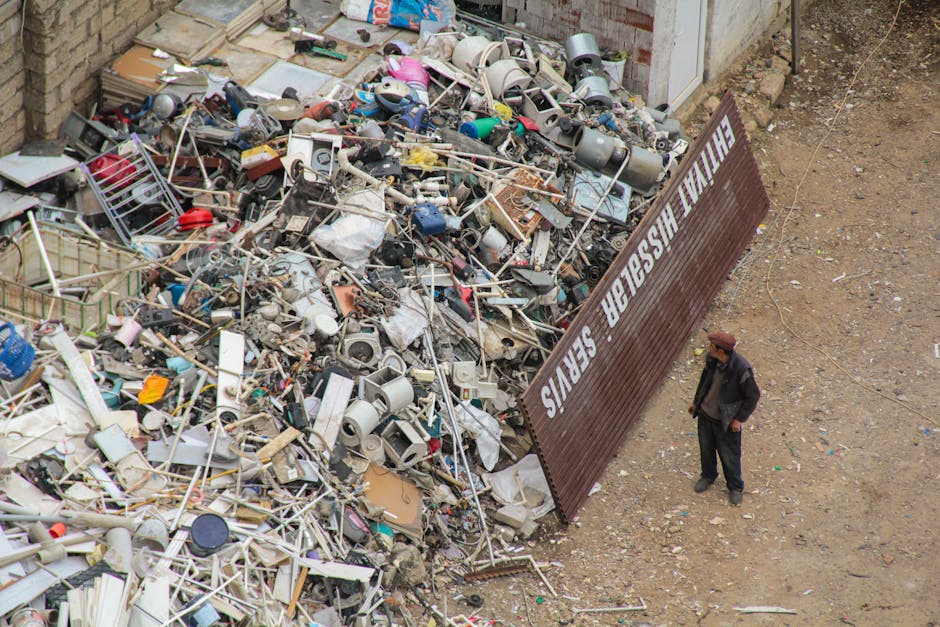
If you are planning a move in Kensington and Chelsea, bulky waste can become the awkward bit nobody wants to deal with until the last minute. An old sofa, a broken wardrobe, a mattress that will not fit down the stairs, a desk from a home office, it all adds up quickly. The rules around bulky waste and disposal in Kensington and Chelsea removals matter because they affect timing, access, safety, cost, and whether your move runs smoothly or turns into a rush on the pavement with a van waiting outside. This guide explains how bulky waste works, what to separate, what to avoid, and how to make sensible choices without overcomplicating the day.
In practice, the best removals are the ones where waste, reusable items, and belongings are all handled with a plan. That sounds simple. It rarely is. But it can be managed neatly.
Why bulky waste and disposal rules in Kensington and Chelsea removals matters
Kensington and Chelsea is not the easiest place to move large items around. Streets can be narrow, parking can be tight, and building access is often more complicated than people expect. A bulky item left outside at the wrong time can create a nuisance, draw complaints, or simply stop a move in its tracks. When you are dealing with removals, even one forgotten item can slow everything down.
The issue is not just convenience. Bulky waste includes items that are too large for ordinary household waste collections, and that usually means you need a more deliberate disposal route. If you leave it too late, you may end up paying for a second trip, arranging short-notice collection, or holding items in storage while you decide what happens next. That is where sensible planning comes in. A bit dull, yes. Very useful, also yes.
There is another side to it too: many bulky items are not waste at all. They might be reusable, repairable, or suitable for resale or donation. In a high-value area like Kensington and Chelsea, it is common to see people move with far more furniture and equipment than they originally planned to keep. The rule of thumb is simple enough: separate what is rubbish, what can be reused, and what needs specialist handling. It saves time and avoids muddle on moving day.
If you need a broader moving plan alongside disposal, services such as removals and local removals can help you coordinate the load, especially if you are moving a flat, maisonette, or townhouse with limited access. For smaller jobs, small removals can be a better fit than overbooking a large vehicle.
How bulky waste and disposal rules in Kensington and Chelsea removals works
At a practical level, bulky waste planning during removals usually follows a simple process. First, you identify which items are leaving the property. Then you decide whether each item is for disposal, reuse, storage, or transport to another address. Finally, you choose the right method to move it out safely and legally.
Bulky waste often includes furniture, mattresses, wardrobes, office chairs, white goods, shelving, large mirrors, and other awkward household items. Some of these are straightforward to remove; others need careful lifting, dismantling, or special attention because of weight, sharp edges, or fragile parts. In a Chelsea basement flat or a Kensington mansion block, that detail matters. A lot.
During a move, there are usually four broad options:
- Keep and move the item to the new property.
- Store it for later if you are not ready to decide.
- Donate, sell, or pass on if it still has useful life left.
- Dispose of it responsibly if it is genuinely unwanted or beyond repair.
That decision tree sounds basic, but it is where people save the most money and stress. If a bed frame or sofa is still usable, moving it into short-term storage can buy you time while you sort out the new layout. If the item is valuable enough to keep but you do not have room yet, secure storage may be the calmer option. For larger domestic moves, house removals and flat removals are often the most relevant service routes because they can handle both belongings and awkward bulky items in one flow.
The key is timing. Do not wait until the van is already outside and the hallway is full of surprise items. That is how disposal gets messy, fast.
Key benefits and practical advantages
Good bulky waste planning gives you more than a tidier property. It creates breathing room. It reduces lifting risks. It keeps the move organised enough that the day feels manageable, even if there is a lot going on.
- Fewer delays: items are sorted before the crew arrives, so loading is quicker.
- Less handling risk: broken furniture and awkward waste are not carried multiple times.
- Better use of vehicle space: you do not waste a van bay on items that should not be moved.
- Cleaner handover: especially useful if you are leaving a rented flat or selling a property.
- Lower stress: decisions are made in advance rather than during the final half hour.
There is also a financial advantage. It is often cheaper to sort bulky waste early than to pay for a last-minute fix. This is particularly true in central London, where access constraints can make every additional trip more expensive than expected. Truth be told, a half-day of sorting can prevent an expensive scramble later.
For business moves, the benefits are similar but the stakes are a little different. Outdated office furniture, bulky archive cabinets, and unused equipment can slow down the transition. If you are relocating a workspace, combining office removals with office storage or document storage can keep the move orderly while reducing what needs to be thrown away immediately. It is a practical, almost boring kind of efficiency. Which, in removals, is usually a compliment.
Who this is for and when it makes sense
This topic matters to more people than you might think. If you live in Kensington and Chelsea, bulky waste planning is relevant whether you are moving out, moving in, clearing a property, or just trying to declutter without making a costly mistake.
It is especially useful for:
- households moving from flats with narrow stairwells or lift restrictions
- tenants who need to leave a property clean and empty
- homeowners replacing large furniture before completion day
- landlords preparing a property for new occupants
- businesses clearing desks, chairs, cabinets, or stock fixtures
- students moving between term-time accommodation and storage
For students and shorter stays, the mix of a few large items and a lot of smaller belongings can be deceptive. A room that looks empty can still hide a surprising amount of bulky clutter once you start pulling things apart. If that sounds familiar, student storage can be a practical bridge, while household storage works better when the move date and the disposal date do not line up neatly.
Sometimes the question is not "how do I dispose of this?" but "do I really need to dispose of it now?" If you are undecided, storage can be a safer pause button. That is especially true for expensive furniture, family heirlooms, or items that may fit the next place once you have measured properly.
Step-by-step guidance
Here is a straightforward way to handle bulky waste and disposal rules during a Kensington and Chelsea move without making it more dramatic than it needs to be.
- Walk through every room early. Start with storage areas, lofts, basements, utility rooms, and under-bed spaces. These always seem to produce one more item.
- Sort into four groups. Keep, store, donate/sell, dispose. Do not merge them. The whole point is to avoid confusion.
- Check what needs dismantling. Beds, wardrobes, shelving, and some desks move better in pieces. Keep screws and fixings together in labelled bags.
- Identify awkward or hazardous items. Some items need extra care because of weight, sharp edges, glass, or electrical components.
- Decide what should travel and what should not. If an item is damaged beyond reasonable use, disposing of it before moving day is usually simpler.
- Reserve storage if needed. If you are not ready to make a final decision, use storage rather than rushing. Consider mobile self storage if you want a flexible loading option, or long-term storage for items you genuinely want to keep but cannot fit in the new place right away.
- Confirm access at both addresses. Measure doors, lifts, stairwells, and corridors. In older Kensington and Chelsea properties, this step saves a lot of muttering.
- Book the right support. If you need help with lifting, loading, or route planning, choose a removals option that matches the scale of the job rather than guessing.
One useful habit: label bulky items with a simple destination note. "New flat", "storage", "dispose", "donate". A handwritten sticker can save ten minutes of debate and a fair bit of back-and-forth later.
If you are moving both furniture and packed boxes, packing services can help keep the load organised and reduce damage. That may sound like a luxury, but when you are staring at a staircase and a large mirror, it suddenly feels sensible.
Expert tips for better results
Here are the small things that make a disproportionate difference.
1. Decide earlier than feels necessary. Most disposal problems begin with delay. People put off the awkward items and then discover they have become the main event.
2. Measure the item and the route. Not just the front door. Check turns, bannisters, lift dimensions, and where a sofa actually has to pivot. The hallway is always smaller than you remember it being.
3. Keep reusable items clean. If you plan to donate or resell, a wiped-down sofa or de-dusted shelving unit has a much better chance of being accepted or collected.
4. Separate mixed loads. Do not put disposal items on top of items you are keeping. It creates damage, and later nobody is sure what belonged where.
5. Treat office waste differently. Business moves often include electronics, confidential records, and specialist furniture. That is where business storage or office storage can be more useful than immediate disposal.
6. Use a vehicle plan, not a hope. A removal van can only do so much. If bulky waste is mixed with everything else, you may end up filling the load with low-value clutter and leaving proper belongings for a second run. Nobody wants that, least of all the person paying for it.
7. Keep a final "do not forget" corner. Small bulky-ish items such as lamps, printers, side tables, and broken stools are easy to miss. Put them together in one visible place.
If you need a smaller, more nimble moving setup for awkward items, man and van can be a sensible middle ground. It is not glamorous, but it often does exactly what is needed.
Common mistakes to avoid
Most bulky waste headaches come from a handful of predictable mistakes. The good news is that they are avoidable.
- Leaving sorting until the last day. By then, every item feels urgent.
- Assuming everything can be left outside. In London, that is rarely a safe assumption.
- Forgetting access restrictions. A vehicle may be booked, but if it cannot stop nearby, the job changes completely.
- Mixing disposal with keepers. This is how items disappear or get damaged.
- Ignoring heavy lifting risks. Mattresses, wardrobes, and divan bases can be more awkward than they first appear.
- Not checking whether storage would be smarter. Sometimes throwing something away is the wrong first move.
- Underestimating office or document handling. Paper files and old office furniture need more thought than a casual bin run.
A small aside, because it matters: people also forget the emotional part. Furniture is often tied to a phase of life. That old armchair in the corner might be ugly, but it has been there through three winters and one awful flatshare. You do not have to be sentimental about every item, but it helps to be honest about what you are really ready to part with.
Tools, resources and recommendations
You do not need fancy equipment to manage bulky waste well, but a few practical tools make the job easier.
- Measuring tape: for doors, lifts, corridors, furniture width, and turning space.
- Marker pens and labels: simple, visible, and surprisingly effective.
- Heavy-duty bags or boxes: for dismantled parts, hardware, and smaller waste.
- Blanket wraps or covers: useful when items are moving rather than being discarded.
- Basic toolkit: screwdrivers, Allen keys, and a small bag for fixings.
- Storage access plan: if you are using storage, make sure the items you may need soon are easier to reach.
For many moves, the most useful resource is actually a clean timeline. Work backwards from moving day. Then set one date for sorting, one date for dismantling, and one date for final removal or storage. It sounds almost too simple, but it keeps things calm.
When you want a balanced approach between disposal, moving, and temporary holding space, removals and storage is often the most practical combination. If you are moving in stages, short-term storage gives you breathing room without locking you into a long commitment.
Law, compliance, standards, and best practice
This topic touches waste handling, safety, and responsible disposal, so it is worth being careful. You should always follow the local rules that apply to your property and waste type, and you should never place items where they may block access, create a hazard, or confuse collection arrangements. If something is controlled, electrical, confidential, or unusually large, it may need a more specific disposal route than ordinary household rubbish.
Best practice in removals is to separate responsibility clearly. One person decides what stays. One person confirms what goes into storage. One person checks what is being disposed of and how. That may sound slightly over-organised, but in a moving environment it prevents mistakes. And mistakes with bulky waste tend to be inconvenient in a very physical way.
There is also a safety angle. Heavy items should be lifted and carried properly, with enough people and enough space. Do not drag a sofa across a polished floor and hope for the best. It never feels as clever on the day as it sounded in the kitchen five minutes earlier.
If you are using a removals provider, it is sensible to check relevant policies on health and safety and insurance and safety. Those pages help you understand how the provider approaches risk, handling, and responsibility. For sustainability-minded moves, recycling and sustainability is also useful reading because it signals how reusable materials and waste are handled more thoughtfully.
Options and comparison table
Different bulky waste situations call for different solutions. Here is a simple comparison to help you choose.
| Option | Best for | Advantages | Limitations |
|---|---|---|---|
| Dispose immediately | Broken or unusable items | Fast, clears space quickly | Not suitable if you are undecided or the item could be reused |
| Store first | Items you may keep or sell later | Buys time, avoids rushing decisions | Costs more than disposal and still needs planning |
| Donate or sell | Reusable furniture and equipment | Potentially offsets cost, more sustainable | Collection timing and condition matter |
| Move with the rest of the load | Items definitely staying with you | Simple if access and space allow | Can waste vehicle space if the item should have been removed first |
In many Kensington and Chelsea removals, the winning option is not one method, but a mix. A sofa to storage, a damaged chair to disposal, a bookcase dismantled for the new flat, and a few boxes of papers into document storage. Mixed loads are normal. The trick is to manage them deliberately.
Case study or real-world example
A typical local move might look like this: a one-bedroom flat in South Kensington, second floor, no lift, with a bulky bed frame, a chipped coffee table, two office chairs, and a wardrobe that has seen better days. The resident has a move-out date on Friday, keys for the new place on Saturday, and not much time in between. Classic London timing, really.
Instead of trying to cram everything into one last-minute run, the items are split:
- the bed frame is dismantled and moved
- the coffee table is judged too damaged to keep and is set aside for disposal
- the office chairs are kept for now because the new desk may need them
- the wardrobe is measured and, after a bit of a pause, kept for storage rather than disposal
The practical outcome is better than the original plan. The move is lighter, the loading is quicker, and the property is left in cleaner condition. The resident then uses self storage to hold the wardrobe and extra items until the new flat is ready. A few weeks later, the wardrobe is either placed in the new space or sold on. No drama, no panic, no sofa wedged in the corridor at 8 p.m.
That sort of outcome is fairly ordinary, which is exactly why it works. Good removals are usually built on ordinary sensible choices made early.
Practical checklist
Use this checklist before moving day. It keeps the bulky stuff from becoming the whole story.
- Walk through every room and identify large items
- Mark each item as keep, store, donate/sell, or dispose
- Measure furniture and access routes
- Check whether anything needs dismantling
- Bag screws, bolts, and small fittings together
- Separate reusable items from waste
- Decide if any items should go into storage
- Confirm lift, stair, and parking access
- Protect floors and walls where necessary
- Make a final sweep for forgotten bulky bits
Expert summary: bulky waste in Kensington and Chelsea removals is easiest to manage when you treat it as part of the move plan, not an afterthought. Sort early, measure carefully, avoid mixing waste with keeps, and use storage when you are not ready to decide. That one habit can save money, time, and a lot of heavy sighing.
Get a free quote today and see how much you can save.
Conclusion
Bulky waste and disposal rules in Kensington and Chelsea removals are really about control. Not control in a rigid sense, just enough structure to stop one large item from dominating the day. When you separate what stays, what goes, and what can be stored, the move becomes easier to manage and far less stressful.
Most people do better when they give themselves a little time, a simple plan, and the right support for the awkward items. That is especially true in central London, where access can be tight and every decision has a practical knock-on effect. Be thoughtful, keep it simple, and do not let one old wardrobe dictate the whole schedule. You will be fine.
Frequently Asked Questions
What counts as bulky waste in a Kensington and Chelsea removal?
Bulky waste usually means items that are too large, awkward, or heavy for ordinary household waste collection. In removals, that often includes sofas, wardrobes, mattresses, tables, desks, shelving, and similar large pieces.
Should I dispose of bulky items before moving day?
Often, yes. If an item is definitely unwanted, handling it before the move keeps the loading process simpler and may reduce costs. If you are undecided, storage can be a better short-term option.
Can I just leave bulky items outside the property?
Not safely, and not usually as a default plan. Leaving items outside can create access problems, nuisance, or collection issues. It is better to arrange the right disposal route in advance.
What if a bulky item is still usable?
If it still has life left in it, consider donating, selling, or storing it. Reusable furniture is often better kept out of the waste stream if there is a practical way to do that.
How do I decide whether to store or dispose of furniture?
Ask yourself whether the item will fit the new space, whether it is worth replacing, and whether you genuinely want it long term. If the answer is uncertain, short-term storage can buy you time.
Do I need to dismantle large furniture before a move?
Not always, but often it helps. Wardrobes, beds, and shelving units usually move more easily in parts, especially in flats with narrow stairs or tight turns.
What should businesses do with bulky office items?
Businesses should separate reusable furniture, confidential material, and waste carefully. Office moves often work best when removals are combined with office storage or document storage so nothing important gets rushed.
Is storage useful if I am moving locally in Kensington and Chelsea?
Yes, very. Local moves can still be complicated by access, timing, and layout. Short-term or secure storage is useful when the move-out and move-in dates do not align perfectly.
How can I reduce the cost of bulky waste handling?
Sort items early, measure access properly, dismantle what you can, and keep reusable items separate from waste. A well-prepared load is usually cheaper and faster to handle.
What is the biggest mistake people make with bulky waste during removals?
The biggest mistake is leaving decisions too late. Once the van is booked and the hallway is full, even a small bulky item can become a problem. Early sorting avoids that scramble.
Can removal services help with bulky waste and storage together?
Yes. A coordinated removals and storage plan is often the most practical route when some items are being moved, some are being held, and some are being removed altogether.
What is the best approach if I am downsizing?
Downsizing works best when you accept that not everything will fit the new place. Measure the new rooms first, decide what truly earns its space, and use storage for the rest only if it makes sense.