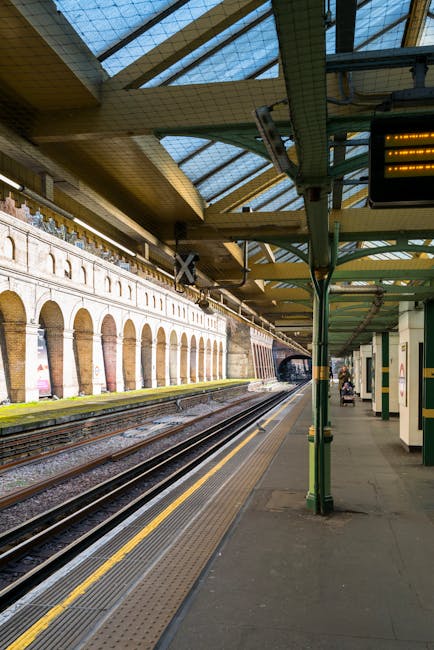
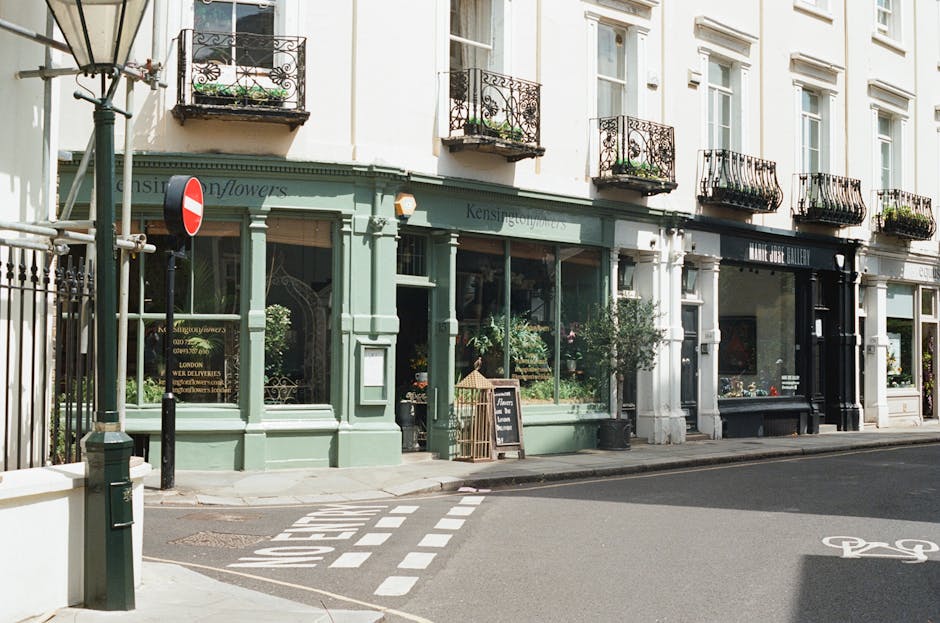
Removals near South Kensington station for tight access moves
If you are moving near South Kensington station, you already know the challenge: lovely buildings, busy streets, narrow entrances, awkward stairwells, and not much room to swing a sofa, let alone a full house worth of furniture. That is exactly why Removals near South Kensington station for tight access moves need a very different approach from a standard London house move. The right plan can save time, reduce stress, and protect your belongings from the kind of bumps and scrapes that happen when access is tight and everyone is trying to work around a narrow pavement at the same time.
This guide walks you through how tight-access removals work, what to expect around South Kensington, how to prepare, and what separates a smooth move from a chaotic one. We will keep it practical, local, and honest. Because truth be told, in this part of London the difference between a good move and a frustrating one often comes down to planning, timing, and knowing the building before moving day.
For more background on service options and moving support, you may also find these useful: London removals services, professional packing help, man and van options, and secure storage solutions.
Table of Contents
- Why Removals near South Kensington station for tight access moves Matters
- How Removals near South Kensington station for tight access moves Works
- Key Benefits and Practical Advantages
- Who This Is For and When It Makes Sense
- Step-by-Step Guidance
- Expert Tips for Better Results
- Common Mistakes to Avoid
- Tools, Resources and Recommendations
- Law, Compliance, Standards, or Best Practice
- Options, Methods, or Comparison Table
- Case Study or Real-World Example
- Practical Checklist
- Conclusion
- Frequently Asked Questions
Why Removals near South Kensington station for tight access moves Matters
South Kensington is one of those London areas where a move can look straightforward on paper and then suddenly become very not straightforward once you arrive. Around the station, you often have a mix of period properties, basement flats, upper-floor apartments, mansion blocks, controlled parking, narrow access routes, and the ever-present problem of public foot traffic. A removal van may be perfectly capable of handling your furniture, but only if it can actually get close enough for loading and unloading.
That is why tight access removals are a specialist job. They are not just about lifting boxes. They involve route planning, parking strategy, property access checks, equipment choice, and timing. The wrong vehicle can block the street. The wrong loading plan can waste an hour. A missed stair measurement can mean a wardrobe simply will not fit, no matter how much everyone wishes it would.
Near South Kensington station, the challenge is often less about distance and more about precision. A move that is only a few hundred metres from the station can still involve difficult corners, low steps, sharp turns, or limited waiting space. To be fair, that is London for you. The streets look elegant, but they rarely make life easy for movers.
Expert takeaway: In tight-access areas, successful removals are usually won before moving day. Good measurements, clear access notes, and the right vehicle matter more than last-minute speed.
If you are comparing services, it may help to review a broader home removals approach alongside specialist handling for difficult access. The best providers will adapt the move to the property, not the other way around.
How Removals near South Kensington station for tight access moves Works
A tight-access move near South Kensington station usually follows a more detailed process than a standard domestic removal. The aim is simple: reduce risk by planning each stage around the reality of the building and the street outside.
1. Access survey and information gathering
First comes the access check. This may be done by phone, video call, photos, or an in-person visit. A good mover will want to know about:
- stairs, lifts, and corridor widths
- entrance height, doorway width, and turn points
- parking distance from the property
- loading bay availability or restrictions
- any basement, mezzanine, or top-floor access issues
- items that are unusually heavy, large, or fragile
That information shapes the plan. It also tells the team whether they need extra labour, smaller vehicles, protective coverings, or specialist handling equipment.
2. Vehicle and crew selection
Not every move near South Kensington station benefits from a big lorry. In fact, a smaller van or a shuttle arrangement may work better if the street is tight or parking is limited. Sometimes a larger van is parked a short distance away and goods are transferred in stages. It is a bit old-school, but it works.
The crew size matters too. A narrow staircase with a heavy chest of drawers is not the place to be under-staffed. More hands, when well coordinated, often mean less delay and fewer accidents.
3. Timing and street conditions
Early starts are often helpful in central London. Around South Kensington, calmer streets in the morning can make a big difference. Less pedestrian traffic, fewer delivery vehicles, and a better chance of finding a usable parking spot. By midday, things can get busy fast.
The movers will usually also think about building rules, lift bookings, neighbours, and whether certain items should be moved before peak foot traffic builds up. Small timing choices can have a surprisingly large effect.
4. Packing and protection
Tight access increases the chance of scuffs and knocks. That means more emphasis on furniture wrapping, corner protection, mattress covers, and careful box labelling. If you are using professional packing help, the team can pack with the route in mind rather than simply boxing things up quickly.
Think of it as reducing friction at every step. In a narrow hallway, an extra inch matters. A lot.
5. Loading, transfer, and unloading
Once the plan is in place, the physical move can happen more efficiently. The key is controlled flow. Heavy items are moved first or last depending on the route. Fragile items are kept separate. If a shuttle vehicle is needed, the team transfers goods safely from the property to the main van in stages.
For a move that includes temporary holding or staggered dates, storage options can help take pressure off moving day. That is especially handy if you are waiting on keys or renovation work.
Key Benefits and Practical Advantages
Specialist removals near South Kensington station are not just about avoiding problems. They can also make the move more predictable and less draining. And let's face it, moving in London is stressful enough without adding avoidable drama.
- Less risk of damage: Proper planning reduces scraping walls, denting furniture, and damaging floors or door frames.
- Better time control: Tight-access preparation helps prevent delays caused by unexpected obstacles.
- Safer lifting: More suitable equipment and staffing reduce manual handling strain.
- Improved parking strategy: Knowledge of local access patterns can help avoid unnecessary walking distance and double handling.
- Less stress on the day: When the route is mapped out, everyone can focus on the move rather than improvising.
- More suitable vehicle choice: A van sized to the street often performs better than a larger vehicle that barely fits.
There is also a quieter benefit: better communication. A mover who understands tight-access work near South Kensington station will ask smarter questions and spot problems earlier. That kind of thinking is worth a lot, even if you only notice it because everything goes smoothly and nobody has to stand in the rain wondering where the second trolley is.
| Benefit | Why it matters in tight access moves | Typical outcome |
|---|---|---|
| Accurate access planning | Helps avoid surprises with stairs, doors, and street restrictions | Fewer delays and fewer risks |
| Smaller or mixed vehicle strategy | Works better in narrow roads and restricted parking areas | Improved loading efficiency |
| Specialist packing and protection | Protects furniture during repeated handling and tight turns | Reduced damage and cleaner delivery |
| Extra labour where needed | Makes stair moves and bulky items safer | Less strain and faster progress |
Who This Is For and When It Makes Sense
This kind of service suits anyone moving to or from a property where access is not generous. Around South Kensington station, that often includes:
- flat moves in period conversions
- basement or lower-ground apartments
- mansion blocks with limited lift access
- homes with restricted on-street parking
- people moving large furniture into a small entrance or hallway
- landlords, tenants, and buyers working to tight key exchange timings
It also makes sense if you have delicate items, awkward furniture, or a move that must happen quickly without disturbing neighbours too much. A piano, a large wardrobe, or a heavy dining table can turn a simple day into a logistical puzzle if access is poor.
If you are unsure whether your move counts as tight access, ask yourself three questions: Can a van stop close by? Can furniture pass through the property without awkward lifting? Will the crew need to carry items a long distance from street to door? If the answer to any of those is no, or maybe not, specialist planning is probably wise.
For office relocations or business premises, a dedicated office removals service may be more suitable, especially where timing, equipment, and building management rules are stricter than a normal home move.
Step-by-Step Guidance
Here is the practical version, the part that really helps on moving day.
- Measure everything you can. Door widths, stair landings, hallway lengths, lift dimensions, and any tight corners. Bring a tape measure. It sounds obvious, but people often skip it and then regret it later.
- Photograph the access route. A few clear pictures of entrances, stairs, and parking points can tell a mover far more than a long email.
- Confirm parking and loading arrangements. Near the station, parking can be the hidden problem. Check what is possible, and what is not, well before the move.
- Identify difficult items. Large mirrors, glass tables, wardrobes, appliances, and anything unusually heavy should be flagged early.
- Choose the right service level. A simple van-and-driver arrangement may be fine for a small flat, but a complex access move often needs more support.
- Pack by priority. Keep essentials in one clearly labelled box so you are not hunting for chargers, kettle items, or documents at the end of the day.
- Protect the building. Floor coverings, door guards, and wall protection are worth considering if the route is narrow or delicate.
- Prepare for slow moments. Tight-access moves can involve pauses while items are angled, lifted, or passed carefully through a doorway. That is normal. Breathe.
- Do a final route check. Right before loading starts, walk the route once more. A delivery van or temporary obstruction can change the picture quickly.
One small but useful tip: keep your keys, mobile phone, and any access codes on you, not buried in a box. It sounds almost silly, but on move day the little things have a habit of becoming the big things.
Expert Tips for Better Results
Small decisions make a big difference in tight-access removals. The basics matter, but there are a few pro-level habits that often separate a decent move from a well-run one.
Be honest about the awkward bits
If there is a low ceiling, a tricky turn, or a lift that barely fits two people and a suitcase, say so early. A mover can plan around awkward access. They cannot plan around missing information.
Break large loads into safer stages
Sometimes moving a sofa in one piece is not the smartest option. Disassembly, where appropriate, can make the job safer and faster. Not everything should be taken apart, of course, but a modular approach can save a lot of grief.
Use the quietest route available
A less direct route through a property can be better if it avoids tight turns or protected surfaces. The shortest path is not always the best one. Funny how that works.
Keep neighbours in mind
South Kensington properties are often close together, and noise travels. Clear communication and tidy loading can help keep the peace, especially if lift use or shared entryways are involved.
Ask about contingency plans
What happens if the van cannot park where expected? What if the lift fails? What if one piece of furniture will not fit through the intended route? Good movers will already have a Plan B.
For moves that need more hands-on preparation, a combination of packing support and flexible vehicle service can be a sensible way to keep things lean without losing control.
Common Mistakes to Avoid
Most problems in tight-access moves are not dramatic disasters. They are small planning errors that stack up. Avoiding them can save time, money, and a fair bit of swearing under your breath.
- Assuming the van will "just fit": It might, but tight roads and bends are not forgiving.
- Underestimating stair difficulty: A staircase that looks manageable can feel very different with a king-size mattress in your arms.
- Failing to mention restrictions: Delivery windows, lift bookings, concierge rules, and parking limits matter.
- Packing heavy boxes too full: Smaller boxes are often safer and easier to move on stairs.
- Leaving protection to the last minute: Floor and wall protection should be part of the plan, not a thought halfway through the job.
- Moving without measuring furniture: You only need one oversized item to create a delay.
- Not preparing for delays: In central London, a few extra minutes can disappear very quickly. Build in a buffer.
One of the most common mistakes? People focus on the destination and forget the actual route. The route is the move. That is the bit that counts.
Tools, Resources and Recommendations
The right tools help make difficult access feel manageable. You do not need a van full of gadgets, but a few practical items can make a real difference.
- Furniture blankets and straps: Useful for protection and secure lifting.
- Mattress covers: Handy in wet weather or dusty stairwells.
- Removal trolleys and dollies: Particularly helpful for heavier items on flat surfaces.
- Door and wall protection: Worth it in narrow hallways and shared entrances.
- Labels and colour coding: Makes unloading faster and less confusing.
- Tape measure and floor plan: Old-fashioned, yes. Still very useful.
- Mobile photos of access points: Great for sharing with the move team ahead of time.
For a more complete move plan, a good starting point is often a combined service page such as domestic removals or furniture removals, depending on whether you need a full household move or help with larger individual items.
If your move timing is tight or split across dates, storage solutions can take pressure off the schedule and reduce the risk of rushing awkward access work.
Law, Compliance, Standards, or Best Practice
This type of move does not usually involve complex legal procedures, but there are still important best-practice points. London traffic, parking, building access, and manual handling all have practical implications, so it helps to work in a careful and responsible way.
Professional movers should follow sensible manual handling practices, use suitable equipment, and plan lifting to reduce the risk of injury. That is standard good practice in the industry. If a job involves shared entrances, lifts, or communal areas, movers should also take care to avoid damage and respect building rules. In many cases, these are set by the property manager or landlord rather than by law, but they still need to be followed.
Parking and loading near South Kensington station may be affected by local restrictions, time limits, or permit requirements. Because these can vary by street and by time of day, it is best to check the current arrangements with the relevant local authority or property management before the move. Don't assume. That is where people get caught out.
Insurance is another practical point. If you are hiring removers, ask what level of cover is included and whether it suits your items. A reputable mover should be able to explain this clearly, without jargon, and without making you feel like you need a law degree to understand it.
If you are comparing services more broadly, it is helpful to look at same-day removals only if your schedule genuinely requires speed. For tight access, haste without planning is usually a bad trade.
Options, Methods, or Comparison Table
Not every tight-access move needs the same approach. The right method depends on property type, item volume, parking conditions, and how far the loading point is from the door.
| Method | Best for | Pros | Watch-outs |
|---|---|---|---|
| Full removal crew | Complete flat or house moves with multiple rooms | Efficient, coordinated, good for stairs and bulky items | Can be more costly than smaller options |
| Man and van | Smaller moves, student moves, partial loads, furniture-only jobs | Flexible, often cost-effective, suitable for lighter access needs | May be limited for larger or more complex jobs |
| Shuttle move | Streets too narrow for larger vehicles | Useful when parking or access is restricted | Can take longer due to transfer stages |
| Hybrid with storage | Moves with staggered completion dates or renovation delays | Reduces pressure and gives more flexibility | Requires extra organisation and planning |
For many South Kensington moves, the best choice is not one method alone but a blend: a smaller vehicle, extra protection, and a team that knows how to work around building constraints. Simple, but not easy.
Case Study or Real-World Example
Imagine a two-bedroom flat a short walk from South Kensington station. The property is on an upper floor in a period building, with a narrow staircase, a small lift, and no practical space for a large van to sit directly outside for long. The customer has a sofa, a dining table, several framed pieces, and a few heavy boxes of books. Classic London move, really.
In this kind of situation, a good plan might include:
- a pre-move access check using photos and measurements
- a smaller vehicle positioned to avoid blocking traffic
- extra wrapping for the sofa and table edges
- protective coverings for communal floors
- a team briefed on the narrowest turning points before arrival
The result is usually not dramatic. And that is the point. The best tight-access move often looks almost boring from the outside because the awkward parts were solved before the team even arrived. The sofa goes through. The hallway stays intact. The neighbours keep their patience. Everyone gets on with the day.
That kind of quiet competence is what you want.
Practical Checklist
Use this checklist before the moving team arrives. It is simple, but it catches the details that matter.
- Measure doorways, stairwells, and any lift dimensions
- Take photos of entrances, turns, and parking points
- Confirm loading restrictions or parking arrangements
- Tell the movers about heavy or awkward items
- Reserve lift access if the building requires it
- Protect floors, corners, and doorframes where needed
- Pack essentials separately and label them clearly
- Keep keys, paperwork, and contact numbers close at hand
- Leave a bit of time buffer for traffic or access delays
- Make sure someone is available to answer access questions on the day
Quick reminder: if a route looks tight in daylight with no furniture in the way, it will feel tighter once there is a wardrobe halfway through it. Plan for that version, not the ideal one.
Conclusion
Moving near South Kensington station with tight access is rarely about brute force. It is about preparation, local awareness, and choosing the right method for the property. When you measure properly, communicate clearly, and use the right team and equipment, even a tricky move can feel controlled and manageable.
The good news is that tight access does not have to mean high stress. It just means the move needs a smarter approach. Once that is in place, the rest becomes much easier, and honestly, a lot less exhausting than people expect.
Get a free quote today and see how much you can save.
If you are planning a move near South Kensington station, the next sensible step is to gather your access details, photos, and any tricky item measurements, then speak to a removals specialist who understands central London conditions. A calm start usually leads to a calmer finish. And that is worth a lot on moving day.
Frequently Asked Questions
What makes removals near South Kensington station different from other London moves?
The area often combines narrow streets, busy foot traffic, limited parking, and period properties with tricky staircases or shared access. That creates more planning work than a standard suburban move.
How do I know if my move counts as a tight access move?
If the van cannot stop close to your door, if there are narrow stairs or corridors, or if large items may need careful angling, it is probably a tight access move. A short site review usually makes it clear.
Do I need a smaller van for South Kensington removals?
Not always, but often a smaller van or a shuttle arrangement works better in restricted streets. The right vehicle depends on your access, parking, and how much furniture you are moving.
Can movers handle basement flats and upper-floor apartments?
Yes, provided they are aware of the access in advance and bring the right equipment and staffing. Basement flats and upper floors are common in this part of London, so experienced crews should be used to them.
How far in advance should I book a tight access removal?
As early as possible, especially if you are moving at the weekend or at month-end. More lead time gives you a better chance to plan parking, access, and any building requirements properly.
Will movers help with packing and furniture protection?
Many will, either as part of the service or as an add-on. For difficult access moves, packing and protection are especially valuable because items may need to be carried further or angled through tight spaces.
What should I measure before booking?
Door widths, stair turns, lift dimensions, ceiling height in awkward areas, and the distance from the nearest realistic parking spot to your front door. Photos help too.
Are there parking or loading restrictions near South Kensington station?
There can be, but the exact rules vary depending on the street and time of day. It is best to check the current local restrictions and discuss them with your mover before the day arrives.
Can I move large furniture through a narrow hallway?
Sometimes yes, sometimes no. It depends on the item size, the turning space, and whether the furniture can be partially dismantled. A good mover will assess this before the day, not improvise at the doorway.
Is insurance included in removals services?
Often there is some form of cover, but the level and scope can vary. Always ask what is included, what is excluded, and whether it matches the value and type of items being moved.
What if the lift in my building breaks on moving day?
That is exactly why contingency planning matters. A good removal team should be able to adapt with extra labour, different routes, or a revised loading plan if the lift is unavailable.
Can I combine removals with storage if my dates do not line up?
Yes, and for tight access moves it can be a very practical solution. Storage can reduce pressure if your completion date is uncertain or if you need to move in stages.